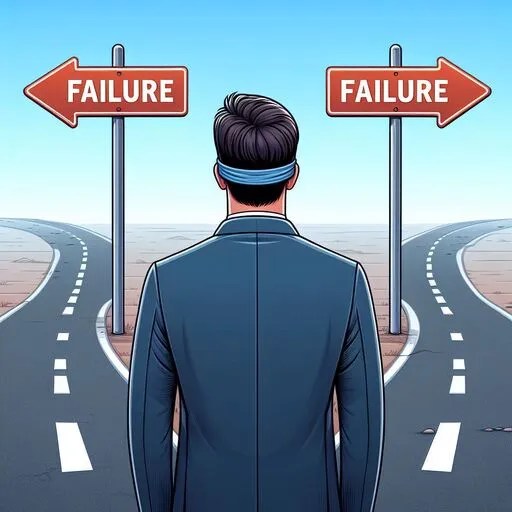
Patient-Centric Healthcare: Putting Patients in the Driver’s Seat. But Who Is Driving?

     This image was created with the help of Microsoft Design

It seems so natural to place a patient at the center of healthcare. Sure, how else?

And yet, surprising as it may be, the very term “patient-centric healthcare” only emerged at the end of 1980s.

Two major factors drove the trend. The first was a deep dissatisfaction with the paternalistic, doctor- and provider-centric approach that dominated healthcare at the time. The second was the looming anger at the pharmaceutical companies that kept designing protocols for clinical trials of new drugs without taking into account patients’ needs and feedback.

So, what is patient-centric healthcare?

Let Us Serve You

In practice, patient-centric healthcare means many different things; the most important, in my opinion, are the following three:

  • Shared decision-making: Patients are seen as informed partners, not just passive recipients of a treatment. To ensure this, healthcare providers present options, explain risks and benefits, and then, (try to) respect patients’ choices and preferences.
  • The adoption of the “beyond-the-pill” approach: By using web-based engagement tools — telehealth, wearables, and online portals — patients can monitor their health, access records, and communicate with providers at their convenience.
  • Holistic care: Addressing the physical, mental, and social determinants of health; recognizing the role of “external” factors like poverty and food insecurity in overall well-being.

The benefits of this shift are hard to ignore: the patient-centric approach has improved health outcomes, increased patient satisfaction, and paved the way to personalized medicine.

Potentially, it can also reduce healthcare costs as informed patients can avoid unnecessary tests and procedures hereby lowering healthcare expenditures. But, I’m afraid, the jury is still out on this point.

Let Us Represent You Too

Another unmistakable sign of the growing patient-centric healthcare body is the proliferation of the so-called patient advocacy groups, organizations dedicated to supporting individuals living with specific illnesses or health conditions.

Examples of patient advocacy groups include American Cancer SocietyAmerican Heart AssociationNORD (National Organization for Rare Disorders), and PatientsLikeMe, to name just a few, most prominent groups.

Patient advocacy groups play an important role in various aspects of patient well-being:

  • They collect information about specific disorders (symptoms, diagnoses, treatment options, and latest research advancements) and share it with patients, caregivers, and the broader public.
  • They offer emotional support, peer-to-peer connections, practical guidance, and resources to navigate the challenges of living with a disorder.
  • They contribute to medical research by sharing patient experiences and facilitating data collection that helps improve care for the specific condition. The latter becomes especially important when pharmaceutical companies begin designing clinical trials for the treatment of the disorder.

Implicit in the concept of patient advocacy is a belief that all the decisions made by the patient advocacy groups are made in the interest of patients — and only patients — without being influenced by any other, “external,” considerations.

It was therefore troubling to read a recent report by Public Citizen, a consumer advocacy non-profit, revealing that in 2010–2022, drug companies and their major lobbying group, Pharmaceutical Research and Manufacturers of America (PhRMA), have spent at least $6 billion in grants to more than 20,000 patient advocacy organizations.

In particular, the American Heart Association (AHA) received $8.3 million from Pfizer, the manufacturer of Tafamidis, the most expensive cardiovascular drug ever launched in the United States. In its turn, The American Cancer Society (ACS) received $6 million from AstraZeneca, $4.7 million from Merck, and $3.4 million from Pfizer, all manufacturers of expensive cancer drugs.

The report openly questions the commitment — or even willingness — of AHA and ACS to advocate lower drug prices for the patients they represent.

A disturbing but unavoidable concern.

Winners and Losers

One of the most recognizable activities of patient advocacy groups is lobbying for increased research funding for “their ‘’ disease. While these attempts may seem as having only positive effects — what can be wrong with receiving more R&D money? — it’s worth remembering that the history of patient groups’ involvement in the R&D budgeting process is not without controversy.

Back in the 1980s, the outbreak of AIDS brought to life a voiceful and influential advocacy on behalf of AIDS patients. Having launched an unprecedented in its magnitude public campaign, the AIDS patient advocates succeeded in persuading the U.S. policymakers to shift substantial amounts of NIH funds to HIV/AIDS research.

The powerful infusion of taxpayers’ money helped rapidly identify the origin of the HIV/AIDS epidemics and develop life-saving treatments. Yet many critics bitterly complained that by receiving the amount of NIH funds that wasn’t commensurate with the number of HIV/AIDS patients, the program had siphoned away much needed resources from other, more important, public health needs.

Similar, albeit more muted, criticism has been voiced against generous NIH funding for breast cancer: critics argued that the amount of public money spent on this disease — as a result of active lobbying by dedicated patient groups — was vastly excessive, given the relatively low number of breast cancer patients.

By no means are AIDS and breast cancer exceptions. In fact, they are part of a general trend.

2012 study by Rachel Kahn Best of the University of Michigan followed how patient advocacy organizations lobbied Congress for a greater share of NIH funding. Using data on 53 diseases over 19 years, Kahn Best showed that for each $1,000 spent on lobbying for a specific disease, there was an associated $25,000 increase in research funds for this disease the following year.

What is wrong with that, you might ask?

The problem is that the amount of NIH funds allocated for any particular disease was determined not by some objective parameters associated with this disease — burden of disease, for example — but rather by the strength of a corresponding patient advocacy group and the amount of money it had spent on lobbying members of Congress.

And when there are winners, there are losers too.

Kahn Best pointed out that diseases affecting primarily women (except for breast cancer) and African Americans tend to receive lower levels of funding because of weaker lobbying.

Besides, adequate funding isn’t provided for the so-called stigmatized diseases, such as lung and liver cancer, the diseases presumably associated with patients’ “bad behavior” (smoking for lung cancer and alcohol consumption for liver cancer). Year after year, both diseases receive smaller funding than would have been predicted based solely on patient mortality.

Another example of stigmatized diseases are sexually transmitted diseases (STD), viewed by many as a personal problem, not a public health issue. According to a 2016 report by the Kaiser Family Foundation, funding for STD research has been declining for decades. In 2014, the U.S. government spent only $181 million, which was less than 0.1% of the total federal health budget. This funding is significantly lower than the amount spent on other infectious diseases, such as HIV and influenza.

The lack of funding has led to a decline in the development of new diagnostic tests, treatments, and vaccines for STDs. It has also made it more difficult to prevent and control their spread.

…and Orphans

And then, there are “orphans,” diseases for which there are no active patient advocacy groups.

Take, for instance, the group of infectious diseases caused by bacterial and fungal infections.

Most of us at some point in our lives get sick of a disease caused by a bacteria — and many women suffer from vaginal candidiasis caused by Candida, a fungus. But these conditions are normally transient and cured away by antibiotic treatment. As a result, there is no “stable” population of patients for whom a condition is chronic as it’s the case for cardiovascular disease, diabetes, or cancer — and there is no a patient advocacy group to vouch for these patients.

The rise of drug-resistant bacterial and fungal infections represents a serious threat to public health. And yet, our response to this threat is completely inadequate.

Part of this problem lies in the economics of developing and manufacturing antibiotics — a subject of a special conversation. However, the lack of active patient advocacy capable of lobbying for more funding to address the rise of drug-resistant infections doesn’t help, either.

Lobbying is as American as apple pie. Both corporations and large nonprofits spend millions to promote their interest at the federal and state levels.

There is nothing wrong with patient advocacy groups being engaged in lobbying activities, too, for as long as sources of their own funding are transparent.

And yet, as a society, we must develop more efficient mechanisms to properly fund medical research. The allocation of funds must reflect public health priorities, not the political and economic strength of special interests.

There is so much at stake.

(This article was written with the help of Bard, a collaborative AI tool developed by Google.)

Posted in Health Care | Tagged , , | Leave a comment

The Strength from Within

     This image was created with the help of Microsoft Design

Thick dark clouds keep gathering over the concept of remote work.

2021 article published in the journal of Nature Human Behavior took a look at what happened at Microsoft when the company had shifted, firm-wide, to remote work during the first six months of the COVID pandemic in 2020.

The shift to remote work caused business groups within Microsoft to become less interconnected, rendering the internal collaborative networks more static and siloed.

Working from home, Microsoft employees did continue to collaborate with their colleagues around the company but the pattern of collaboration had changed. They were spending more time working with their strong ties — a pattern of collaboration better suited for transferring information — but less time interacting with their weak ties, a venue that is more likely to provide access to new information.

In other words, remote work at Microsoft — and I don’t think that Microsoft is an exception from a general rule — led to a pattern of collaboration that is less likely to result in generating novel, potentially innovative ideas.

Now another, just published, Nature article claims that remote collaboration produces fewer foundational (“disruptive”) discoveries than when the collaborators work together in person.

Is the “Return-to-Office” Policy a Sole Answer?

No wonder we’ve been seeing increasing attempts by organizations to phase out remote work and bring employees back to office — all under the banner of restoring the damaged pattern of employee collaboration.

Unfortunately, this forceful pattern of rebuilding carries a risk: a sizable chunk of corporate employees say they are unhappy with the mandatory return to offices and threaten to quit instead.

True, this might be more a threat than real action. But even if we force people back to their offices and make them communicate in person, will these unhappy people freely exchange creative ideas with other unhappy people?

I fully appreciate the role serendipitous encounters may play in the innovation process — a point many executives invoke when pushing for return to office — but I’m not convinced that corporate innovation must so much depend on a chance bumping of people into each other at a watercooler or in a bathroom.

An “Always-on” Internal Innovation Networks

We need to supplement in-person interactions with a system that would support employee collaboration regardless of their physical presence in the office.

In my view, such a system should meet two basic requirements:

  • Be always-on. Corporate innovation struggles when run as a series of sequential “events” often followed by long pauses between them. Instead, corporate innovation must be a continuous flow of parallel innovation projects with fixed starts and finishes, so that at least a few are always active at any time.
  • Be project-based. When it comes to innovation, employees must have a reason to collaborate (not just “exchange ideas”). In the corporate setting, this can be best achieved by solving specific, strategically important to the firm, problems.

A prototype for such a system already exists: I call it internal innovation networks, digital platforms that are specifically designed to harness the “collective wisdom” of an organization’s own employees to promote internal innovation programs.

What Can Internal Innovation Networks Do?

There are at least five important benefits that IINs can bring to any organization.

First, IINs provide a communication channel between different units and functions that often have no institutional structure to discuss strategic issues. By providing such a channel, IINs create a common intellectual space, which may improve, among other things, the decision-making process.

Second, by bringing together units and functions that are directly involved in the innovation process (such as R&D and marketing) with those that traditionally aren’t considered innovative (such as business development, finance, legal, or HR), IINs help foster a organization-wide culture of collaboration.

Many of you heard about the “not-invented-here syndrome,” an unfortunate habit of rejecting ideas and solutions that don’t originate within people’s own organizations. Yet not everyone perhaps realizes that this syndrome manifests not only as a rejection of external knowledge and expertise, but also as a resistance to intra-organizational collaboration, as the reluctance of individual units to share their findings with other units.

By breaking internal silos and promoting intra-organizational collaboration, IINs prepares the whole organization to accept innovative ideas regardless of their origin.

Third, IINs help identify the firm’s emerging thought leaders, who — especially in junior positions and geographically remote units — often remain unnoticed by the leadership. Because of their intrinsically democratic nature, IINs give voice to every employee regardless of their rank and geographical location in the company.

Hi, Can I Talk to Alice?

Fourth, IINs can be effectively used to find solutions to problems that individual units have failed to solve on their own.

Such a problem-solving capacity of IINs could be especially useful in multinational corporations with numerous units spread over distant geographic areas and time zones.

People in different units, often brought together as a result of M&A, rarely communicate with each other and almost never meet face-to-face. Yet, often one unit may possess specific knowledge that is desperately needed and can be immediately implemented in another.

Connecting the proverbial dots (or collecting low-hanging fruits, as I like to call it) through IINs can result in significant savings of time and money for internal R&D.

I witnessed such a low-hanging-fruit-collection process in action with a corporate client, a large pharmaceutical company.

The company adopted an internal crowdsourcing platform and was preparing to launch an inaugural set of problems on the company-wide portal specifically designed for this purpose.

One of the owners of this first set of problems was the head of the chemical synthesis group, a rising star in the Chemistry Department, whom I’ll call Alice. Her group was charged with optimizing the synthesis of a compound which was considered a high priority for the company’s drug development program.

Unfortunately, six months into the project, the group had made little progress towards its goal.

Initially, Alice was reluctant to post her problem to the platform. Ambitious and self-confident, she felt that admitting to other people in the company that she hadn’t found a solution by herself would hurt her professional reputation (and perhaps her up-to-this-point quite impressive career advancement).

But the fear of failing the project outright — and therefore potentially jeopardizing an important strategic initiative — outweighed all other considerations.

To Alice’s credit, having made the decision to crowdsource a solution to her problem, she didn’t look back. Her problem statement was a shining example of clarity and precision.

The payback was almost immediate: three days after Alice posted the problem statement on the internal crowdsourcing portal, she received a call. A person whom Alice never heard of before offered her exactly what her group had been looking for the past six months.

The person who solved the problem was a fellow scientist in the Chemistry Department, who’d joined the company only a couple months earlier. He had worked on a similar problem for his previous employer, the company’s competitor, and it took him little time to realize that the solution he found there was perfectly applicable to Alice’s case.

I also want to give credit to Alice’s boss, the head of the department. He made it very clear to Alice that he was happy with the outcome and that he appreciated Alice’s willingness to use whatever means available to come up with a successful solution instead of stubbornly trying to solve the problem all by herself.

The strength from within

Finally, IINs provide intellectual and operational support for the organization’s external innovation programs. Initially, they help identify and formulate problems whose solution would require external sources of knowledge and expertise. Later, they may facilitate testing and incorporating incoming external contributions.

One of the corporate clients I worked with in the past, a global agribusiness company, established a rule that each problem they wanted to solve by external crowdsourcing had to go through a round of internal crowdsourcing first — no exceptions.

This allowed the company to ensure that a solution to the problem didn’t already exist in one of its multiple divisions spread all over the world.

Using IINs first also allowed the company to better define the problem, to present it in the form most suitable for external crowdsourcing.

Moreover, the discussions that would arise during the process helped the company’s leadership identify locations that would benefit the most from the future solution — along with the employees who could be recruited for analyzing and implementing incoming solutions.

Unfortunately, some organizations launch external crowdsourcing campaigns before engaging internal crowds.

The result is often disappointing: lacking internal support, external ideas and solutions are often met with stiff resistance from inside the company. Their implementation gets stalled, then tacitly boycotted, and eventually rejected.

To add insult to injury, such outcomes give additional ammunition to naysayers, who jump at the opportunity to claim that “open innovation doesn’t work for us.”

I don’t want to say, of course, that organizations should postpone experimenting with open innovation until they establish and perfect the art of using INNs (which may take years).

My point is that the full potential of open innovation for any organization can only be realized by the concerted effort of connected employees capable of identifying and defining their own needs.

Or, said differently, the power of open innovation comes from the strength within.

Posted in Crowdsourcing, Innovation, Internal Innovation Networks | Tagged , , , | Leave a comment

On Prohibition, COVID-19, and Disrupted Networks

The image was created with the help of Microsoft Design

Can you imagine that in the near future, large language models will become a major innovation tool?

Sure, why not?

I envision LLMs being increasingly engaged in generating new ideas and solving problems by analyzing large amounts of data and identifying patterns that humans might not be able to see.

If we believe — and I do — that innovation is about connecting the proverbial dots, then what can be better at seeing more connectable dots than an LLM?

But for now, we’re stuck with doing innovation in an old-fashioned way: by interacting with other human beings.

That’s where the role of connecting human “dots” (a.k.a. networking) in the innovation process comes into the spotlight.

Innovation that just dried up

In one of my previous posts, I wrote about a profound negative effect on innovation caused by Prohibition, a nationwide ban on the sale of alcoholic beverages in 1920–1933.

Before the passage of federal prohibition, U.S. states and counties could determine for themselves whether or not to allow alcohol consumption in bars and saloons. When federal prohibition went into effect, counties that were previously wet saw an 8–18% drop in patenting relative to consistently dry counties in the same state.

In a brilliant 2020 paper, “Bar Talk: Informal Social Interactions, Alcohol Prohibition, and Invention,” Michael Andrews shows that the effect of Prohibition on innovation had nothing to do with alcohol consumption per se.

Instead, Prohibition affected innovation by disrupting natural social networks.

Prior to Prohibition, bars and saloons acted as social hubs in which individuals could exchange information in an informal setting. When people stopped going to bars, they had lost a “platform” for exchanging ideas. The damage to the innovation process materialized almost immediately.

Collaborating from home

It’s fascinating to see parallels between Prohibition, an ill-conceived government regulation, and the COVID-19 pandemic, a natural disaster. (I’m not a subscriber to a theory that COVID-19 has been a Frankenbaby born in China’s Wuhan Institute of Virology.)

And yet, both did exactly the same: they disrupted natural human networks, Prohibition by preventing people from socializing after work, and COVID-19 by abrupt shifting to remote work.

recent paper took a look at what happened to employee collaboration when Microsoft shifted, firm-wide, to remote work during the first six months of 2020.

The paper shows that the shift to remote work caused business groups within Microsoft to become less interconnected, rendering the collaborative networks more static and siloed.

Working from home, Microsoft employees did continue to collaborate with others around the firm — using all available digital communication tools — but the pattern of collaboration changed. They were spending more time working with their strong ties but less time interacting with their weak ties.

This is important because strong ties are better suited for transferring information, whereas weak ties are more likely to provide access to new information.

In other words, remote work led to a pattern of collaboration that is less likely to result in generating novel, potentially innovative ideas.

It must be stressed that the timeframe of the study didn’t allow evaluating the effect of remorse work on innovation per se — only on the pattern of employee collaboration.

But it’d be naive to expect that the disruption of established collaboration networks caused by the abrupt shift to remote work will not cause a long-lasting negative (“Prohibition-style”) effect on innovation at Microsoft — and at other tech firms as well, for that matter.

Back to office, back to “normal”?

Recently, we’ve been seeing increasing attempts by firms to get away from remote work and bring employees back to office — all under the banner of restoring the damaged pattern of employee collaboration.

On the surface of things, this makes sense. The “return-to-office” policy can be viewed as an attempt, whether conscious or not, at rebuilding damaged corporate innovation networks and bringing them, as close as possible, to the pre-pandemic state.

Unfortunately, this pattern of rebuilding — “forceful” is the word that comes to mind first — carries a risk. By and large, corporate employees are unhappy with the mandatory return to offices. According to a survey conducted by Clarify Capital, 68% of employees said they would rather look for a new job than return to the office.

This might be more a threat than real action. But let’s not forget that a powerful driving force of innovation is freedom. Yes, you can force people back to their offices and make them communicate in person. But will these unhappy people freely exchange creative ideas with other unhappy people?

I have my doubts.

Besides, although I fully appreciate the role serendipitous encounters may play in the innovation process — a point many executives invoke when pushing for return to office — I’m not convinced that corporate innovation must so much depend on a chance bumping of people into each other.

Can we innovate at scale while waiting for a spark of magic happening at a watercooler or in a bathroom?

A network that is always on

Of course, I’m all for people meeting their colleagues regularly (which doesn’t necessarily mean every day, does it). But do we really need offices for that?

Why won’t we bring employees to off-site meetings instead?

Placing employees in enjoyable settings — with ample time for physical activity and relaxation — will generate conditions for a free and unrushed flow of ideas between the participants. This is a better chance of them generating innovative ideas than talking to each other over a cubicle wall.

Besides, we need to supplement in-person interactions with a platform that would support employee collaboration regardless of employees’ physical presence in the office.

Such a platform should meet two basic requirements:

  • Be always-on. Corporate innovation struggles when run as a series of “events” following each other, often with a long pause between them. Instead, corporate innovation must be a continuous flow of parallel innovation projects with fixed starts and finishes, so that at least a few are always active at any time.
  • Be project-based. When it comes to innovation, people should have reasons to collaborate, not just “exchange ideas.” This is best achieved by applying the firm’s innovation potential to solving specific, strategically important to the firm, problems.

There is no need to start from scratch: a prototype for such a platform already exists.

I call it internal innovation networks, and I’ll return to this topic in my next piece.

Posted in Innovation, Internal Innovation Networks | Tagged , , , , , | Leave a comment

Are You Free to Innovate?

The image was created with the help of Microsoft Designer

I like to argue that one of the most powerful drivers of innovation — and the one that draws surprisingly little attention — is freedom. Freedom emerges as a common denominator for the factors that boost innovation. The reverse is also true: restrictions on liberties have a chilling effect on the corporate innovation process.

Three Levels of Freedom

The positive effect that freedom exerts on innovation manifests at three major levels: individual, organizational, and national.

The first, individual, level manifests as freedom from being discriminated against for whatever reason. Organizations can realize this freedom by promoting diversity and inclusion in their workspaces.

The second level is organizational, realized through providing corporate employees with immunity for failed innovation projects. Organizations can do this by modifying their termination policies.

Do You Live in a Free Country?

There is one more level of freedom, which almost never receives proper consideration: the level of political freedoms in individual countries.

began paying attention to this factor back in 2014 after reviewing the 2013 Global Innovation Index. The Index ranked innovation capabilities of the world’s nations by using 84 indicators, which included the quality of higher education, availability of venture capital, government support, etc.

Even a brief look at the Index composition led me to a curious observation: the top of the innovation rankings was heavily populated by established democracies (as defined by the 2013 Freedom of the World Report). The reverse was also true: the bottom of the Index was stacked with countries with extremely poor record of democratic development.

Some years later, I attempted to boost this observation with some statistical support. I took innovation rankings from the 2019 Global Innovation Index (Y-axis) and plotted them against the rankings of political freedoms taken from the Democracy Index 2019 (X-axis). Here is the result:

Indeed, a reasonably strong correlation (R2=0.46) exists between the world countries’ innovation potential and the level of their democratic development.

Free countries innovate better.

Freedom to Do Business

But what about economic freedoms? Is freedom to do business good for innovation too?

To answer this question, I used the 2021 Index of Economic Freedom composed by the Heritage Foundation. The Index evaluates the extent and effectiveness of government activities in the areas known to have an impact on economic growth:

  • Property rights and judicial effectiveness
  • Government integrity and the level of corruption
  • Tax burden
  • Government spending and fiscal health
  • Business and labor freedoms
  • Financial and monetary freedoms
  • Foreign trade and investment freedoms

I plotted these rankings (X-axis) against the data from the 2021 edition of the Global Innovation Index (Y-axis). The results for 129 countries for which both sets of data were available are presented below:

Like with political freedoms, a country’s innovation potential strongly correlates with the level of its economic freedoms — hardly a surprising result given how closely both sets of freedoms are interconnected.

The State of US Innovation

The state of US innovation appears to be bright: over the past three years, the U.S. has held either the second- or the third-highest position in the Global Innovation Index (following Switzerland and competing for the second place with Sweden).

However, clouds might be gathering on the horizon. The 2023 Index of Economic Freedom places the United States only at the 25th position among a total of 176 countries, a slide from 2021 when the country ranked the 20th. Even among the Americas nations, Canada and Chile score higher.

The state of political freedoms seems to be trending in the wrong direction too. Until 2015, the Democracy Index has classified the United States as a “full democracy.” In 2016, the country was ranked, for the first time, as a “flawed democracy”; its rankings have been gradually sliding down ever since. Freedom House, a non-profit organization promoting democracy, political freedom, and human rights, points in its 2021 report that the United States finds itself among 25 world’s countries with the largest decline in freedom and democracy over the past 10 years.

True, the United States still spends a lot of money on R&D — more than any other nation in the world — a factor that may explain the stability of its innovation ratings. However, as I pointed out before, only about 30% of this money comes from the federal government, whereas 70% of it is contributed by the private sector. In the long run, this may jeopardize investments into fundamental but potentially risky R&D projects.

Another concern is the growing mistrust in science among the Americans; some glaring examples of this mistrust were on full display during the COVID-19 pandemic. Academic research shows that mistrust in science often manifests as unwillingness to support it. Taken to the extreme, this sentiment may result in attempts to “defund” science both at the state and, worse, federal level.

Yet another troubling development is a widespread adoption of the state-level laws restricting abortion rights, a social policy shown to negatively affect corporate innovation.

Innovation has been the driving force of American growth and prosperity — and, as such, a key component of the nation’s psyche. Unfortunately, given the current trends, the nation’s innovation edge in the future can’t be taken for granted. Losing it will have consequences we Americans don’t even want to contemplate.

Posted in Global Innovation, Innovation | Tagged , , , , | Leave a comment

A Stranger in the Room

The image was created with the help of Microsoft Designer

This piece has been originally posted on Medium.

The Merriam-Webster Dictionary defines “consultant” as a “one who consults another.”

How true! As someone who’s been in the consulting business for many years — as a consultant and also as a consumer of consulting services — let me assure you that this is exactly what consultants do: they share their knowledge and experience with other people.

This knowledge and experience can take different forms and in the picture below, I attempted to summarize the roles that consultants may play in the corporate innovation process:

One can wonder perhaps: consultants are usually outsiders who often have a poor knowledge of what’s going on inside the firm. How can they teach insiders?

First of all, as the great Sherlock Holmes once said, “If you have all the details of a thousand [misdeeds] at your fingertips, it is odd if you can’t unravel the thousand and first.” Experienced consultants have seen enough different troubles in other firms — and how these troubles were resolved — that they almost always can suggest a right solution to this particular problem in this particular firm.

Besides, they have a certain edge over the insiders: consultants are not exposed to the often-toxic fumes of internal politics. This helps them better deal with competing ideas and opinions, judging them on their merits rather than their authorship.

And then, there is this ability to be a “stranger in the room,” a luxury of not knowing the ways things “have always been done here” — and being naïve enough to keep asking stubborn “why’s” when everyone else in the room already knows the “right” answer.

I appreciated the magic power of a “naïve” question a few years ago after having a meeting with a client, a pharmaceutical company.

As often happens, the meeting was organized in haste, and the only thing I was told was that the client wanted to discuss the issue of phosphorus-containing detergents. I thought I knew what that meant. This pharmaceutical company used phosphorus-containing detergents to clean production vessels after each manufacturing cycle. But phosphorus-containing compounds, notoriously environmentally unfriendly, had been steadily falling under regulatory scrutiny; it was only a matter of time before the regulatory authority, the U.S. Food and Drug Administration, would ban using them altogether.

I knew from my previous interactions with this client that they wanted to act proactively and switch to detergents based on more environmentally safe organic acids, as some of their competitors had already done. Having assumed that the client wanted to crowdsource the optimal composition of a new cleaning solution, I spent my flight time reading relevant articles I managed to print out before rushing to the airport.

The next morning, I was sitting in a room with five managers responsible for cleaning the manufacturing equipment. A nice breakfast was served, and, judging from my prior visits, a delicious lunch was to follow by noon.

After a few minutes of discussing the latest football scores, I got down to business: “Okay guys, do you want to identify the best phosphorus-free cleaners?”

“No,” responded the gentleman in charge of the meeting on the client side, “there are plenty of commercially available cleaners based on citric acid. We know precisely what we want to use.”

I felt a bit puzzled: “So, what is the problem?”

“The problem is that there is a strong resistance inside the manufacturing unit to switching from a phosphorus-containing cleaner to the one based on citric acid. We tried, but it didn’t work.”

Feeling even more puzzled, I asked: “Who in the company has the authority to make this decision? Have you talked to this person?”

By the silence that followed, I realized that I had said something absolutely horrible. Completely unwillingly, I had put my hosts in an awkward situation: They should have felt embarrassed that such a simple — obvious even to a stranger — solution had somehow escaped their attention.

The managers exchanged uneasy glances, and the one in charge uttered: “Well, we don’t actually know…”

Another manager intervened to help: “We’ll find out and bring this issue to the table. Perhaps, the situation isn’t as bad as it appears…”

Barely in its fifteenth minute, our four-hour-long meeting was over. We chatted a bit more, discussing potential next steps, but I already knew that this team would never contact me again. (I was correct.) Apparently mindful of the fact that I was deprived of lunch, my hosts paid for my cab to the airport.

I managed to change my mid-afternoon flight for an earlier one and my watch was telling me that I would be home well before dinner. I sat in a half-empty airport terminal lit with the bright morning sun and sipped coffee from the nearby Starbucks.

Life was good.

Posted in Innovation, Innovation Service Providers | Tagged , , , , | Leave a comment

How to Win a War

The image was created with the help of Microsoft Designer

This piece has been originally posted to Medium.

What do you need to win a war?

A few things. First, an army equipped with modern weapons and instilled with high spirit. Second, a vibrant economy capable of sustaining the hardship of continued military operations. Third, strong public support for the country’s political and military leadership.

Anything else I forgot to mention? Ah, one more thing: you need an enemy. And not just an enemy, a bogeyman you’ve created to justify the war, but the enemy, the real cause of your troubles that needs to be conquered.

The War on Everything

Finding the true enemy is usually, though not always, easier in case of military operations. But we Americans love to launch “wars” against everything we consider a threat to our society. That’s where defining the enemy may become tricky.

Take President Johnson’s 1964 War on Poverty. By failing to identify the root causes of poverty, the federal government has since been shelling the elusive enemy with 92(!) federal programs. According to a 2016 study, it had spent $668 billion on anti-poverty programs; state governments had contributed another $284 billion. The result? The poverty rate in the U.S. has been steady over the past 50 years, fluctuating between 11 and 15% (11.5% in 2022).

Or take the War on Drugs launched by President Nixon in 1971. Since its start, the initiative has received over $1 trillion in funding. However, by focusing on fighting drug traffickers instead of treating drug addicts, the War on Drugs has miserably failed to eradicate illegal drug use.

The only arguably bright spot in our fight against social maladies has been President Nixon’s War on Cancer. By identifying molecular targets responsible for malignant growth and then designing drugs specifically attacking these targets, scientists have been able to dramatically decrease the death rate for many types of cancers. The total cancer death rate in the United States fell 25% from its peak in 1991.

The 80:20 Rule

I’m not a fan of using military terminology for non-military topics. Yet, it’s tempting to compare a problem-solving campaign to a military operation. Of course, you need a competent group of problem solvers (your “army”) to solve a problem. But even more important is to correctly define this problem (your “enemy”) so that it could be attacked in the most efficient way. Failing to do so will make your enemy elusive and your campaign unfocused and ultimately unsuccessful.

I call it the 80:20 rule: in my experience, about 80% of unsuccessful problem-solving campaigns fail because the problem presented to the group of solvers was not properly defined; only 20% do so because of a poor match between the problem and the solvers.

Defining problems isn’t easy, but it can be learned. Unfortunately, many firms, especially new to innovation, don’t understand the importance of this process. They mistakenly believe that they can ask their problem solvers almost anything, in any form, and then it will be up to the solvers to figure out what needs to be done. This is the wrong approach, and that’s why having around someone with experience could help.

What Is Your Endpoint?

I remember a project I had with a client, a large pharmaceutical company. My client wanted to design a high throughput screening (HTS) assay to study a specific type of cellular transformation, a process by which normal cells become cancerous.

(To those unfamiliar with HTS assays, I will say that pharmaceutical companies routinely use them for drug discovery because HTS assays allow researchers to screen tens or even hundreds of thousands of chemical compounds for biologic activity. Although HTS assays employ robotics and sophisticated software, at their core they are still a “regular” assay: you start with a normal cell, you add a test compound, and you watch for something that indicates that the malignant transformation you’re interested in has taken place.)

My counterpart on the client site, the head of the assay development group, confidently listed the most important parameters the future assay was expected to have: the volume (the number of samples analyzed per hour or day), the percentages of false positives and false negatives (the two key parameters defining the assay accuracy), and the cost (as cheap as possible. (But of course.)).

Listening to her and taking notes, I began sensing that something important was missing. Finally, I interrupted: “All right, everything is clear. But what about the endpoint? What is your endpoint?” (In a typical assay, the endpoint is what the assay measures).

For a split second, my interlocutor lost her confidence. She paused and then said slowly: “Well, we do not have an endpoint. We thought that finding it would be part of the whole solution.”

It was my turn to pause before replying. “Well, perhaps we’re asking too much. What if we start with looking for a suitable endpoint and then, after we found one, we run a follow-up project to design an HTS assay based on this endpoint?”

She broadly smiled in response: “Look, if we had a good endpoint, we wouldn’t need you: my in-house developers will design an HTS version of the assay in a matter of weeks.”

This was a turning point of our conversation. Shortly, the two of us put together a problem statement asking for a molecule whose change in structure or quantity within cells would signal that the cellular transformation in question took place.

We posted the statement online, and in a couple weeks, I got a submission from a university professor living in one of the small Eastern European countries. The submission described a protein (I’d never heard of it before) that was overproduced by the cells that had experienced the transformation my client was interested in. This overproduction could be easily detected by measuring the intensity of fluorescence, a slam dunk for any assay developer.

Frugally written, barely a page in length, the submission had a few paragraphs of text, a picture, and a reference. But it was nevertheless something I could share with my client. Her response followed almost immediately: “I love it! We’re buying this solution.”

And that was it. I completed the paperwork transferring the solution to my client in exchange for a money award. I never heard from her again: apparently, her in-house assay developers were indeed as good as she described them.

Know what you want, understand what you need

Clients always come to me knowing what they want. Unfortunately, quite often, they don’t clearly understand what they need.

I remember a client who wanted to change the design of a paint pump because it clogged when dispersing paint. We investigated the problem at some depth and found that the cause of clogging was not the pump. The clogging occurred because the paint was rapidly becoming viscous with a slight decrease of the surrounding temperature. The client fixed the clogging problem by simply changing the composition of the paint.

I remember another client who wanted to find an additive that would prevent a food product from losing sweetness upon manufacturing. It took me some effort to persuade the client to leave the door open for solutions that would include modifications of the food preparation process itself. “No, we can’t change the process; it’s too expensive!” he kept saying. To my client’s great surprise, someone came up with a solution proposing a minor, inexpensive change in the preparation process that led to the same desired result: the preservation of sweetness.

It’s tempting to say that what clients want is often just a symptom of a disease whereas what clients need is the cause of it. You can’t successfully cure the disease (solve the problem) unless you identify its real cause (define the problem).

But enough playing with words! Let me simply formulate my “golden” rule of problem solving: know what you want, understand what you need.

Posted in Creativity, Crowdsourcing, Health Care, Innovation, Open Innovation | Tagged , , , , , , , , | Leave a comment

Being an Expert: Traveling the Same Road Again and Again

This image was created by Tatiana Ivanov

There are two major reasons for the slow adoption of crowdsourcing as a practical problem-solving tool.

The first is a widespread, often completely paralyzing uncertainty over which problem crowdsourcing can (or can’t) solve.

The second is the lack of trust in the intellectual power of the crowd, its ability to tackle complex technical or business problems. Everyone would seem to agree that the proverbial wisdom of crowds can be applied to a “simple” task, such as creating a corporate logo or coming up with a fancy name for yet another Frappuccino du jour. However, when it comes to answering a question that requires specialized knowledge, firms prefer to turn to experts.

“Crowds of Amateurs”

This preference obviously sits well with the experts themselves. They dislike the very idea that someone with no immediate experience in the field can solve a problem that they failed to. This sentiment was eloquently summarized in a 2010 article: “Our trust in the expert appears to be increasingly supplanted by a willingness to rely on the knowledge derived from crowds of amateurs.”

“Crowds of amateurs.” Harsh words, huh?

Pitting experts against crowds is plain silly. Experts represent an essential part of any problem-solving process; in fact, this process is impossible without experts. Only experts can identify and properly formulate problems that need to be solved. Only experts can assess the value of incoming solutions and select those that make sense. Only experts can successfully integrate external information into the knowledge available in-house. It’s only at this midpoint of a problem-solving campaign — at the stage of generating potential solutions to the problem — that crowds are usually superior to experts.

What Does It Means to Be an Expert (in Mice)?

Why are crowds usually more creative than experts? A 2019 neurobiological study may provide a clue. A research team from Cold Spring Harbor Laboratory has set out to analyze neuronal activity in the brains of mice forced to learn new decision-making skills.

As the mice progressed through learning new tricks, more and more neurons in their brains got activated. However, the neuron activity rapidly became very selective: individual neurons responded only when the mice made one choice and not another. This pattern became even stronger as the mice learned how to do a task better (that is, become “experts” in this task). Moreover, when the expertise was fully achieved, the mouse brain was ready for that decision even before the mouse began executing the task.

In other words, the “expert” mice knew how to solve the problem even before they started to solve it! In contrast, the neuronal activities in the brains of “non-expert” mice remain non-selective — meaning that the mice would approach the task with an “open mind.”

Were these findings directly applicable to humans, the implication would be that experts approach the problem with the patterns that are already pre-formed in their brains by prior experience. In contrast, amateurs may approach the problem from a completely different angle — and the more amateurs are involved in solving the problem, the more chance that a completely novel, unorthodox solution could be found.

Does Practice Make You Better at Solving Problems? It Should. But It Doesn’t

I’m usually among the first to argue that discoveries made in mice may have little relevance to humans. Examples of clinical trials in which a drug that was effective in mice would flop spectacularly in humans are so numerous that they could fill a warehouse as big as N.Y. Grand Station.

And yet, some indications that expertise may come at the expense of lost creativity in humans have emerged too.

A research team at Stanford conducted a study of how repetitions — that is, continued efforts over time — affected two types of creativity: divergent and convergent thinking. Divergent thinking is the kind of thinking process that involves branching off from what a person knows to come up with new ideas; it’s divergent thinking that is utilized in idea-generating sessions. In contrast, convergent thinking requires finding linkage between different existing concepts or ideas and connecting them to context; it’s convergent thinking that is usually associated with expertise.

What the researchers found was that regular brainstorming sessions didn’t improve the efficiency of divergent thinking: not only test subjects didn’t generate more unique ideas over time; the novelty of these ideas — a measurement of a degree to which test subjects’ inspiration departs from convention — actually decreased over time.

At the same time, test subjects charged with convergent creativity tasks were getting better and better over time, increasing their productivity while performing the task.

It appears that practice improves performance by reinforcing certain cognitive pathways in the brain, making them more accessible, but, at the same time, de-emphasizing other pathways, cutting them off in order to allocate an optimal amount of cognitive resources to the prioritized task. In other words, by training the brain to become more efficient and focused, the repetition also results in a less flexible brain.

(The authors of the Stanford study didn’t perform analysis of the neuronal activity in the brains of their text subject, but I suspect they would have revealed the same pattern of activation and selection that was shown in mice.)

The Last Word

I can only repeat: It’s plain silly to pit experts against crowds. Moreover, there is even no sense in discussing which tool, experts or crowds, is better. Both are different, complementary tools in the modern innovation toolbox, and each should be used at its proper time and place.

As a rule of thumb, when solving a problem similar to one that the firm faced in the past, the firm should engage experts. However, if the problem is novel and may require a fresh look at it, engaging crowds would be a better choice.

Isn’t it simple?

Posted in Creativity, Crowdsourcing, Innovation | Tagged , , , , , | Leave a comment

A Dried-Up Innovation: How Prohibition Disrupted Natural Social Networks

This image was created with the help of Stable Diffusion Online

This piece has been originally posted on Medium.

What is the effect of government regulations on innovation?

The most comprehensive answer to this question is: It depends. It can be positive. In a recent article, I present evidence that corporate innovation can be fostered by social liberalization policies and by laws that limit firms’ ability to discharge employees at will.

We also have a shining example of a government regulation that had a profound negative effect on innovation: Prohibition of 1920–1933, a nationwide ban on the sale of alcoholic beverages. In a brilliant 2020 paper, “Bar Talk: Informal Social Interactions, Alcohol Prohibition, and Invention,” Michael Andrews provides a detailed description of what happened when a government action had disrupted the established pattern of people-to-people interactions.

Prohibition and patenting

Before the passage of federal prohibition, U.S. states and counties could determine for themselves whether or not to allow alcohol consumption in bars and saloons. When federal prohibition went into effect, counties that were previously wet saw an 8–18% drop in patenting relative to consistently dry counties in the same state.

As a former researcher, I admire the rigorous checks Andrews applies to prove that the observed effects were caused by preventing people from going to bars rather than by other factors. For example, he shows that the drop in patenting was smaller for groups that did not typically attend saloons, such as women and ethnic groups that preferred to drink in private.

More importantly, Andrews presents evidence that prohibition did not appreciably reduce the total alcohol consumption in newly dry counties. (I’m not surprised. Are you?) And this leads Andrew to his main point: the negative effect of prohibition on invention was caused not by preventing people from drinking alcohol, but by disrupting natural social networks.

Prohibition and disrupted networks

Prohibition presents a particularly attractive model to study the role of social networks in innovation. Prior to prohibition, bars and saloons acted as social hubs in which individuals could exchange information in an informal setting. Prohibition is so useful to studying the effects of social interactions on innovation because it disrupted the structure of social networks but didn’t change its scale or the identities of the individuals within the network.

One of the study findings seems to carry special weight. If networks facilitated invention by simply making it easier for individuals to find collaborators, then only patents with multiple inventors would have declined. Instead, Andrews found that solo-inventor patents declined as well. That means that networks not only bring people together but also let them exchange ideas between them.

And let’s not forget: moderate alcohol consumption may have a stimulating effect on human creativity. Bars and saloons not only bring people together—in a way religious services or charity events would also do — and let them exchange ideas; by serving alcohol they may improve the quality of ideas that are being exchanged.

COVID-19 and innovation

Andrews’s study is especially relevant when we consider the massive disruption of global innovation networks caused by the COVID-19 pandemic. Like prohibition, the pandemic did not change the scale or the identity of the individuals within the network. But by massive shifting to remote work (to “drinking from home,” so to speak), it disrupted informal interactions. Now, we can only guess what the long-term consequences of this disruption will be.

In this context, one more Andrew’s finding deserves attention. While patenting fell dramatically in the years immediately after the prohibition onset, it rebounded over time, meaning that affected individuals gradually rebuilt their informal social networks.

What is interesting, however, is that when people began rebuilding their social networks after prohibition, they did not collaborate with the same individuals as they did in the past. Instead, they connected with new people, which apparently led to their exposure to different ideas. This was manifested in a long-lasting change in the types of inventions these individuals filed, as measured by patent classes. In other words, while the rate of innovation will restore over time following disruption, the direction of innovation may change.

And that means that the post-COVID innovation may turn out to be different. Will we like it more? Less?

Innovation and the “return-to-office” policy

Recently, we’ve been seeing increasing attempts by firms to change the established pattern of remote work and bring employees back to office — all under the banner of caring about communication and collaboration.

Theoretically, innovation too will gain from employees returning to office. Experts warn that online communication, a hallmark of remote work, is characterized by lower information sharing. That leads to reduced exchange of ideas between innovators, the major cause for the prohibition-induced patenting slump. From this vantage point, the “return-to-office” policy can be viewed as an attempt, conscious or not, at rebuilding corporate innovation networks damaged by remote work — and bringing them as close as possible to the structure that existed before the pandemic.

Unfortunately, this pattern of restoring corporate innovation networks — “forceful” is the word that comes to mind — carries a risk. By and large, corporate employees are unhappy with the mandatory return to offices. According to a survey conducted by Clarify Capital, 68% of employees said they would rather look for a new job than return to the office.

I’d like to remind my readers that freedom is a powerful driving force of innovation. Yes, you can force people back to their offices and make them communicate in person. But will these unhappy people freely exchange creative ideas with other unhappy people? I have my doubts. It’s like bringing a nondrinker to a bar and expecting them to have fun while chatting with a bunch of other nondrinkers.

I think a better way to restore productive collaboration between members of innovation teams would be bringing them to regular off-site meetings. Placing employees in enjoyable settings — with ample time for physical activity and relaxation — will generate conditions for a free and unrushed flow of ideas between the participants. Sooner or later, something innovative will emerge.

Should alcohol be served during these events? Why not, if all the participants are above 21?

Posted in Creativity, Innovation | Tagged , , , , , , , | Leave a comment

Innovating in a Dream (or With a Drink)

The image was created with the help of Microsoft Designer

This piece has been originally posted on Medium.

In a previous article, I argued that the widespread belief that we are swimming in an ocean of cheap innovative ideas — embodied in a popular line “ideas are a dime a dozen” — is no more than a myth. Available evidence shows that the U.S. is facing a growing shortage of novel ideas. Worse, the cost of getting these ideas is increasing while their quality seems to be declining.

What’s going on?

One thing is clear: the quantity and quality of novel ideas are declining because sources of new scientific discoveries are drying up. Although total U.S. spending on R&D reached a reputable 3.4% of GDP in 2021, only about 20% of the money came from the federal government, down from 50% in 1970; 70% of it was contributed by the private sector. With its focus on rapid returns, will the private sector fund fundamental and therefore risky R&D projects? No. (Of note, 75% of U.S. venture capital goes to software development and another 5–10% to biotech. How is the rest of R&D supposed to be funded?). The industry might still be capable of generating incrementally innovative combinations of old ideas — which indeed can be plentiful and cheap — but it is unlikely to create breakthrough innovations.

I think we must also consider another explanation: we have become less creative as a nation.

This fanciful — and, I suspect, offensive to many — idea came to me after reading a 2017 article in Wired. The article described a study showing that bored individuals generated more creative ideas than a non-bored control group. The authors of the study argued that boredom might spark creativity because a bored mind craves for stimulation.

Our problem is that the proliferation of social media channels has all but eliminated this “bored” state of mind. We are always so busy playing with mobile devices that our brains get numbed with the constant flow of mostly useless input. Being constantly “on,” our mind refuses to get positively stimulated — and by refusing to stay bored, we become less creative.

What can we do to generate new sources of innovative ideas? First of all, we need to restore public R&D spending to the levels that ensured the U.S. domination in innovation in the past. This path is clear, although it will still take time to repair the damage caused by decades of neglect.

But can we address the problem from another angle? Can we become more creative to dramatically improve the quantity and quality of new ideas? What do we know about ways to stimulate human creativity?

Innovating in a Dream

There are a few reported approaches to boosting human creativity.

Some of them are very proper. (Perhaps the most popular is taking a shower — especially if followed by going to the garden and sitting under the apple tree. But jokes aside.) One of them is practicing mindfulness meditation, an activity 10–12 minutes of which was reported to help generate higher-quality business ideas. Google, Goldman Sachs, and Medtronic are said to have introduced meditation and other mindfulness practices to their employees.

Another, conceptually similar way to boost creativity is an interrupted nap. When people are just beginning to fall asleep, they go through the so-called non rapid eye movement sleep stage 1 (or N1), often described as “the twilight zone between sleep and wakefulness.” A group of French researchers showed that spending at least 15 seconds in N1 — and then being awakened — boosted creativity of test subjects: they were significantly more likely to find a creative solution to a math problem compared to the test subjects who proceeded past N1 without awakening or those who didn’t fall to sleep at all.

I strongly suspect that the positive effect of mindfulness meditation is realized through the same, N1-dependent mechanism. (“At some moment, your mind will naturally wander away,” is how an instruction to practicing mindfulness meditation describes this magic point.)

I’m in no rush

Other creativity-stimulating activities may carry a stigma with them. For example, it was reported that procrastination may lead to higher creativity ratings in test subjects. The relationship between procrastination and creativity seems to be inversely U-shaped (yet another example of the “inverted-U law of life”): test subjects who procrastinated moderately received higher creativity ratings than those who procrastinate less or more. The authors of the study speculate that moderate procrastination sets in motion a mechanism of problem restructuring, which results in the production of more creative ideas.

Sounds promising, but let’s admit it: procrastination is frowned upon in the marketplace. Procrastinating people are considered inefficient, unproductive, and, even worse, bad team players.

As a devoted procrastinator myself, I’ll defend procrastination. I’ll point to statistical data showing that the U.S. is the most overworked developed nation in the world. The average productivity of an American worker has increased 400% since 1950; yet we’re working the same 40-hour workweek, at least on paper. Don’t we have a right to treat our brain to an occasional spell of quiet, unrushed deliberation, especially if rewarded for that with a shot of creativity?

Innovating With a Drink

And if you think that procrastination is a questionable way to boost creativity, you’re likely to dislike the next approach. But here we go: a research team at the Mississippi State University led by Prof. Andrew Jarosz treated a group of men ages 21 to 30 to vodka/cranberry juice in three drinks over a 30-minute period until their blood alcohol level reached near legal intoxication point of 0.075. The researchers then gave the test subjects a series of word association problems to solve. The result? Tipsy subjects solved 13% to 20% more problems — and did it faster–than sober subjects in the control group.

Prof. Jarosz hypothesizes that people under the influence are more susceptible to the so-called mind wandering, which results in losing some focus but gaining the ability to see a “bigger picture.” This effect, of course, can be harmful in many situations requiring concentration but it might be helpful in others where the ability to connect the proverbial dots is more important than focusing on a single dot.

Regretfully, there is a discernible pause in the academic research on chemically induced ways to influence human creativity. For example, a 2017 study attempted to systematically review all published (by that time) articles that focused on the relationship between psychoactive substances and creativity/creative artistic process. A total of only 19 studies were identified that met inclusion criteria. Little surprise that the results were difficult to summarize because of different study designs, diverse methods used, and various substances examined. A conclusion of the review, nevertheless, was that an association between creativity and substance use did exist. (Of note, a recent study found that light doses of cannabis, while increasing mood and joviality of test subjects, didn’t make them more creative in standard creativity tests.)

That’s why I like Prof. Jarosz and his colleagues’ study: in contrast to many narcotics or drugs, ethyl alcohol is a simple chemical molecule, whose behavior in the human body is quite well understood. Using this relatively simple model, researchers may start identifying specific neurochemical reactions in the brain that are responsible for creativity.

The Power of the Wandering Mind

It appears that the very first steps in this direction have been already made.

It is widely accepted that the creative process proceeds through four distinct stages:

  • Preparation. At this stage, your brain is gathering information.
  • Incubation. It is at this stage that you let your mind wander around.
  • Illumination. This is a “eureka!” moment. Connections in your brain collide, and you realize that you got an idea.
  • Verification. Your critical thinking skills return at this stage, and you start “packaging” your newly born idea in a consumable way.

Back in 2011, Torsten Norlander of Karlstad University in Sweden showed that alcohol consumption specifically stimulated the incubation and illumination stages of the creative process but inhibited both the preparation and verification stages. And this seems to be exactly what Prof. Jarosz’s team has observed: intoxicated individuals who solved more creative problems in less time than the control group perceived their solutions as the result of a sudden insight. Eureka, in other words.

It also appears to me that the power of the wandering mind — unleashed as a result of interrupted nap, mindfulness meditation, or alcohol consumption — is realized through the same N1-dependent mechanism.

The good news is that we already know the parts of the human brain responsible for N1 sleep and we began identifying brain networks promoting the transition from wakefulness to sleep. That means that it’s only a matter of time that we pin down the sections of the brain responsible for creativity — along with safe and efficient ways to stimulate them on demand.

And we all will have a choice of how we prefer to innovate: in our sleep or with a drink.

Posted in Creativity, Innovation | Tagged , , , , | Leave a comment

12 Thoughts About Crowdsourcing

The image was created with the help of Microsoft Designer

This piece has originally been posted on Medium.

The following are twelve thoughts about crowdsourcing taken from my recently published book “We the People of the Crowd…” and summarizing my 20+ years of experience in running internal and external crowdsourcing campaigns.

  1. In recent years, crowdsourcing has become a popular topic in business publications and social media. Yet its acceptance as a practical problem-solving tool has been slow. Why? First, there is a widespread, often completely paralyzing, uncertainty over which problem crowdsourcing can (or can’t) solve. Second, the expansive use of the term “crowdsourcing” has blurred its borders with other problem-solving tools. As a result, crowdsourcing is often used incorrectly, and when the outcome disappoints, it is crowdsourcing itself that gets the blame for being ineffective.
  2. A fundamental benefit of using crowdsourcing is that by posting your problem online, you become agnostic to the sources of potential solutions. They may come from anywhere and anyone, and you don’t have to do anything to “target” your search — given, of course, that your crowd is sufficiently large and diversified. In other words, when you crowdsource, you don’t have to spend time and resources on finding solvers to your problem; you only need to analyze the solutions that these self-selected solvers are sending your way. Let me repeat it again: the beauty of crowdsourcing is that you don’t need to look for solutions to your problem. You post your problem online, and then the right solution will come to you.
  3. When working with subject-matter experts, be aware of the issue of diversity of responses. If you’re approaching a person who is an expert in Method A, don’t expect this person to tell you that using Method B might be a better solution. And if you’re approaching an expert in Method B, don’t expect them to tell you that this method won’t work; a solution provided by this expert will inevitably include at least some of Method B. Besides, there is always a chance that Methods C, D, or E exist, but because you never heard of them, you don’t know appropriate experts. Saying it differently, when asking for an expert opinion, you automatically narrow the scope of potential solutions to what you already know. Crowdsourcing is different. Unless you specifically say that you’re interested only in Methods A or B, incoming solutions will be focused on solving your problem, not the way of solving it. That’s why a properly designed crowdsourcing campaign often results in highly original, even completely unexpected, solutions forcing your clients to exclaim in awe, “Wow, we never thought about that!”
  4. Yet another reason for the slow adoption of crowdsourcing is the lack of trust in the intellectual power of a crowd. Sure, it’s OK to apply the proverbial “wisdom of crowds” to accomplish a simple task, such as creating a corporate logo or choosing the name for a city landmark. However, when it comes to answering questions that require specialized knowledge, corporations prefer to turn to experts. A fundamental flaw of the notion that people participating in crowdsourcing campaigns are just a bunch of “amateurs” is that real-life crowds are composed of experts. True, they might not be experts working in your field or in your industry; but they’re experts in something, nonetheless. Moreover, research shows that someone’s likelihood of solving a specific problem increases with the distance between this person’s own field of technical expertise and the problem’s domain. Crowdsourcing folklore is full of stories featuring a patent attorney cracking chemical synthesis problems in his spare time, or a protein crystallographer who solved a toxicology mystery that puzzled a bunch of seasoned toxicologists.
  5. When pointing to the virtues of crowdsourcing, I’m not trying to pit experts against “crowds.” Crowdsourcing is impossible without experts. Only experts can identify and properly formulate problems that organizations are facing. Only experts can understand and evaluate external proposals to select those that make sense. Only experts can combine external information with the knowledge available in-house. It’s only at this midpoint of the problem-solving process — at the stage of generating solutions to the problem — that crowds are usually superior to experts. We, therefore, should consider experts and crowds as complementary tools in every innovation management toolbox. There is no sense to discuss which tool is better; each should be used at its proper place and time.
  6. Crowdsourcing is first and foremost a question, a question that you ask a crowd of contributors. It doesn’t matter what this question is about, if it’s well thought out, properly defined, and clearly articulated. Yes, it can be a question about a solution to a problem. And yes, it can be a question about the problem itself. So, when asked what one needs to run a successful crowdsourcing campaign I always answer: only two things. A question and a crowd.
  7. I’m not a big fan of using military terminology for non-military topics. Yet, it’s tempting to compare a crowdsourcing campaign to a military operation. To begin with, you need a large and competent crowd (your “army”) to solve a problem. But even more importantly, you must define this problem (your “enemy”) so that the crowd can attack it in the most efficient way. Failing to do so will make your enemy elusive and your campaign unfocused and, inevitably, unsuccessful. I call it the “80:20 rule”: in my experience, about 80% of unsuccessful crowdsourcing campaigns failed because the problem presented to the crowd was not properly defined; only 20% failed because of a poor match between the problem and the crowd’s skillset.
  8. Crowdsourcing is often confused with brainstorming but there is a principal difference between the two. When you brainstorm, you put a question to a few people and let them come up with answers. As the brainstorming session progresses, people propose their own ideas, capitalize on the ideas of others, or perhaps redefine the question itself. Many people believe that if you replace this group of four to seven — reportedly the optimal number of people for brainstorming — with a crowd of dozens or even hundreds and move this discussion online, you’ll get crowdsourcing. But this is not true. Crowdsourcing is different from brainstorming in one crucial aspect: it requires the independence of opinions. In contrast to brainstorming, during a crowdsourcing campaign, you must make sure that the members of your crowd, whether individuals or small teams, provide their input independently of the opinions of others. It’s this aspect of crowdsourcing that allows avoiding groupthink and other cognitive biases and leads to the delivery of highly diversified, original, and often completely unexpected solutions to the problem — as opposed to brainstorming, which almost always ends up with the group reaching a consensus.
  9. Online communities give us many diverse options to interact with other people. Every option is a tool of sorts, and as any tool, it should be used with a full understanding of what it can or can’t do. Among other tools, crowdsourcing stands out by being, first and foremost, a question that you ask a crowd. The quality of the question is the most crucial factor in determining the quality of the answer. You ask the crowd a smart question — you have the chance to get a smart answer. You ask the crowd a stupid question — the answer will almost certainly be stupid. It’s this simple.
  10. It’s difficult to precisely define how many people one should bring together to have a “crowd.” However, from the practical point of view, this number isn’t vitally important. I used to work with relatively small crowds, no more than just a few dozen people, that nevertheless successfully solved difficult problems. The opposite is also true: a crowd composed of more than a hundred thousand may well fail to deliver a good solution. Much more important than the crowd size is its diversity. If I had to choose between a crowd composed of ten thousand military officers — or ten thousand lawyers, or ten thousand farmers — and a crowd of only one thousand that included military officers AND lawyers AND farmers, I would choose the latter. And if offered the opportunity to work with a crowd of a million, I would not even bother to ask about the crowd’s composition. I know that by virtue of its sheer size, such a crowd will include people of different professional, educational, cultural, and cognitive backgrounds — in other words, everyone to make up an “ideal” crowd.
  11. Unfortunately, many organizations begin launching external crowdsourcing campaigns before engaging internal crowds. The results are often disappointing: lacking internal support, external ideas and solutions are often met with stiff resistance from inside the company. Their implementation gets stalled, then tacitly boycotted, and eventually rejected. To add insult to injury, such outcomes give additional ammunition to naysayers, who jump at the opportunity to claim that “crowdsourcing doesn’t work for us.” This is not to say, of course, that organizations should postpone experimenting with external crowdsourcing until they master the art and science of internal (which may take years). My point is that the full potential of external crowdsourcing for any organization will only be realized by the concerted effort of connected employees capable of identifying and defining their own needs. Or, to say it differently, the power of crowdsourcing comes from the strength within.
  12. A few years ago, a group of New York City-based entrepreneurs proposed an interesting version of crowdfunding, crowdraising, an approach that allows crowds to pledge time instead of money to support projects and causes they care about. Any organization with a worthy goal would be capable of using crowdraising to hire a crowd to perform business-related activities. These activities could be as simple as taking part in a survey, conducting beta testing, or giving feedback. But they could also involve more complex tasks, such as coding, design work, or strategic advice. After completing their work on the project, the members of the crowd would be expected to be rewarded: from a free product sample for simpler tasks to cash or equity for more complex activities. As far as I know, this approach hasn’t yet been realized in practice. However, I consider crowdraising a promising idea with the potential to create a new paradigm of finding and hiring employees in the gig economy. Taken together with new ways of problem-solving (provided by crowdsourcing) and raising money (provided by crowdfunding), all three approaches may profoundly shape the future of work. And there is something else I strongly believe in: new ways of capitalizing on the wisdom of crowds will emerge.
Posted in Crowdsourcing, Innovation | Tagged , , , , , , | Leave a comment